

A practical, step-by-step guide for every skin type — from first-timers to those already halfway through the transition.
Most of the content about beef tallow skincare focuses on why it works — its fat-soluble vitamins, its compatibility with human sebum, its centuries of documented use before petrochemical alternatives took over. This post is about how to use it.
Knowing that tallow is good for your skin is one thing. Knowing where it fits in a practical daily routine, how much to use, what to pair it with, and what to expect in the first few weeks is what actually gets results.
This guide covers a complete natural skincare routine built around tallow — with notes on how to adapt it for different skin types, different concerns, and different stages of the transition away from synthetic products.
The Principle: Less Is More
Before getting into the routine, one principle is worth establishing. Natural skincare — and tallow-based skincare in particular — operates on a fundamentally different logic from the multi-step routines that dominate mainstream beauty.
Commercial skincare often requires multiple products because each one creates a problem the next one is designed to solve. A harsh cleanser strips the skin, so you need a toner to rebalance it. A synthetic moisturiser sits on the surface, so you need a serum to deliver actives beneath it. The routine grows longer and the skin becomes increasingly dependent on external intervention to function.
A tallow-based routine works with the skin’s biology rather than against it. The goal is a skin barrier that regulates itself — which means fewer products, simpler steps, and a period of adjustment while the skin recalibrates. Fewer steps is not a compromise. It is the point.
The Basic Routine: Morning and Evening
Step 1: Cleanse
The cleanser you use matters as much as the moisturiser. If you strip the skin with a foaming sulphate cleanser in the morning, tallow applied afterwards is working against a damaged barrier rather than supporting a healthy one.
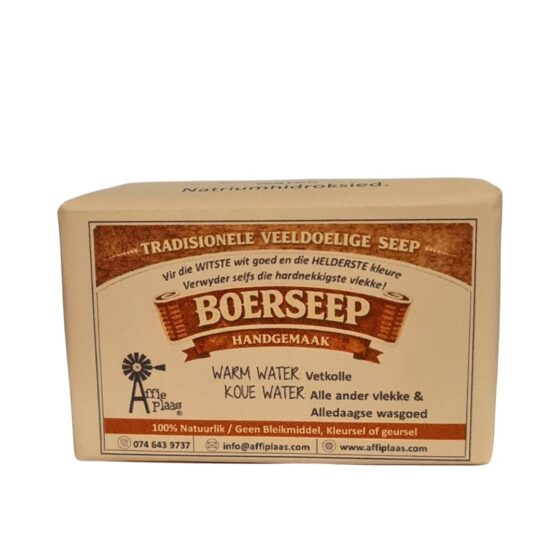
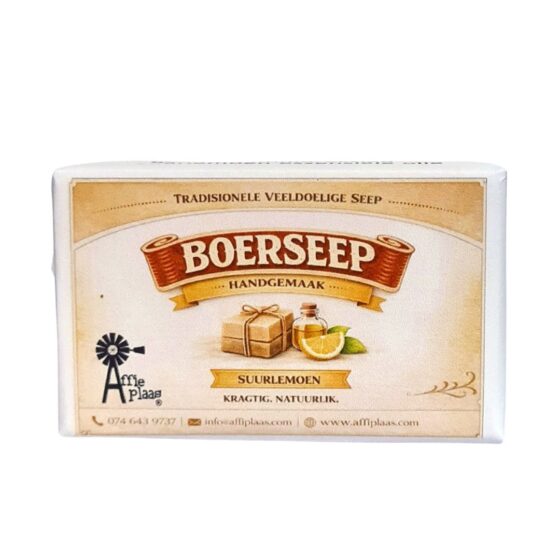
For a tallow-based routine, the cleanser should be gentle enough to remove overnight sebum and any residue without disrupting the acid mantle. Boerseep — traditional South African soap made without synthetic detergents or fragrances — is a good match. It cleans without stripping, and its glycerine content supports rather than undermines the barrier function.
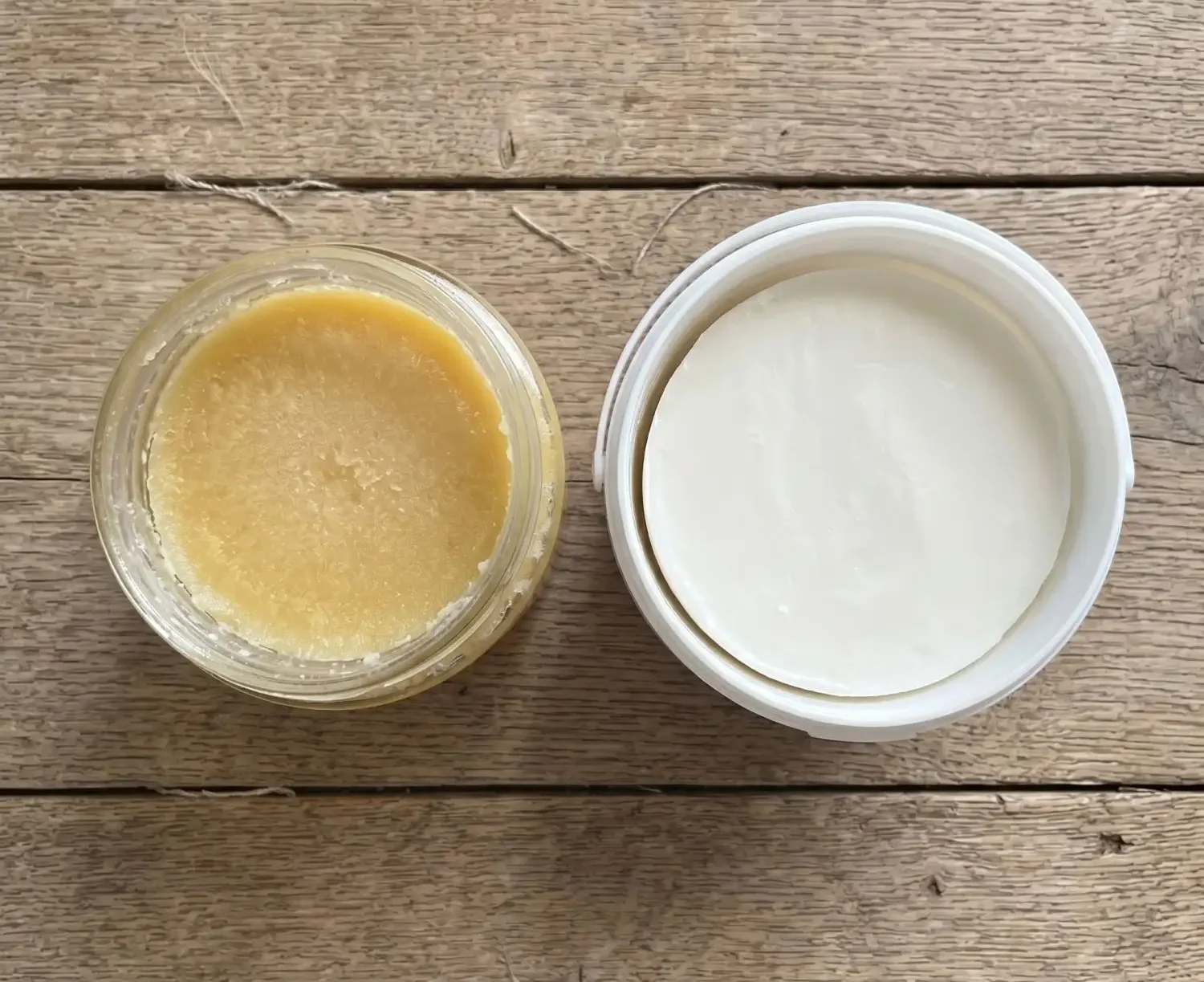
In the evening, if you wear makeup or sunscreen, a double cleanse makes sense: a small amount of tallow itself as a first cleanse to dissolve oil-based products, followed by a gentle soap cleanse. Tallow is an effective oil cleanser — it dissolves makeup, SPF, and sebum without disrupting the skin.
Step 2: Tone (optional)
If you use a toner, choose one that is alcohol-free and pH-supporting — a diluted apple cider vinegar rinse, rose water, or nothing at all. The skin’s acid mantle has a natural pH of approximately 4.5 to 5.5, and a gentle toner can support this after cleansing. This step is optional and can be skipped entirely, particularly for dry or sensitive skin types.
Step 3: Moisturise with tallow
Apply tallow to slightly damp skin. The moisture on the skin helps the tallow spread more evenly and absorb more effectively — tallow is a richer product than most people are used to, and applying it to dry skin can make it feel heavier than it needs to.
The amount matters. Start with a pea-sized amount for the whole face and neck. Warm it between your fingertips and press it gently into the skin rather than rubbing aggressively. It should absorb within a minute or two. If it feels greasy after five minutes, you have used too much.
Apply morning and evening. The morning application supports the skin’s barrier through the day. The evening application supports overnight repair and regeneration — which is when most skin renewal occurs.
Adapting the Routine for Your Skin Type
Dry or dehydrated skin
Tallow is well-suited to dry skin. Use a slightly more generous amount than the baseline — a large pea to a small almond-sized amount — and consider applying it to damp skin immediately after cleansing, before patting dry, to lock in the most moisture. For very dry skin, the lip and body balm formulations can be used on rough patches, elbows, and any areas of persistent dryness.
Oily or combination skin
This is the skin type most likely to hesitate before trying tallow, and often the one that responds best to it. If your skin is producing excess oil, it is almost certainly doing so in response to a disrupted barrier — either from over-cleansing, harsh products, or synthetic moisturisers that signal to the skin that it does not need to regulate its own oil production.
Start with a very small amount of tallow — a half pea-sized amount on damp skin — and use it in the evening only for the first two weeks. Give the skin time to recalibrate before introducing it in the morning as well. Most people with oily skin find that their sebum production reduces meaningfully within four to six weeks as the barrier stabilises.
Sensitive or reactive skin
Tallow is one of the most biocompatible moisturising ingredients available, which makes it generally well-tolerated by sensitive skin. The most important variable is sourcing: ensure the tallow is grass-fed or pasture-raised, unfragranced, and free from any added synthetic ingredients. The Bear Skincare range is formulated specifically for sensitive skin applications including eczema and cradle cap.
Patch test on the inner arm or jawline before applying to the full face, and introduce one product at a time so that any reaction can be attributed accurately.
Acne-prone skin
See the dedicated guide on tallow for acne-prone skin for a fuller discussion. The short version: tallow’s sebum-compatible fatty acid profile and fat-soluble vitamin content make it a meaningfully different option from synthetic moisturisers. Start slowly, patch test, and allow four to six weeks before assessing.

What to Expect in the First Few Weeks
Week 1–2
The skin may feel different from what it is used to. If you have been using silicone-heavy products, the absence of that characteristic smooth, silky finish can feel like the new product is not working. It is not a sign that tallow is not absorbing — it is the absence of the surface coating you were used to.
Some people experience a mild purging phase, particularly if they have been using heavy synthetic products or have been over-cleansing. This is the skin adjusting, not a reaction to the tallow. If you experience significant breakouts or genuine irritation rather than a mild adjustment, discontinue and reassess.
Week 3–4
By the third to fourth week, most people notice a change in how the skin feels throughout the day. Skin that was oily by midday begins to hold steady for longer. Skin that was tight and dry after cleansing begins to feel more comfortable without needing reapplication. These are signs that the barrier is recalibrating.
Week 5 and beyond
The cumulative effect of tallow skincare is most visible from weeks five to eight. Skin texture typically improves as the barrier strengthens. Redness and reactivity tend to reduce. People with long-standing dry patches often find they resolve without targeted treatment as the skin’s overall hydration regulation improves.
Extending the Routine: Body, Lips, and Hair
Tallow is not only a face product. The same properties that make it effective for facial skin apply to the body, and the simpler the better.
- Body: Apply tallow or a tallow body butter to damp skin after a shower as a direct replacement for synthetic body lotion. It absorbs more effectively on damp skin and a small amount covers more surface area than you might expect.
- Lips: Tallow-based lip balm is one of the most effective lip treatments available. The fat-soluble vitamins and sebum-compatible fatty acids support lip tissue repair in a way that petroleum-based lip balms do not. Apply before bed for overnight repair.
- Baby skin: The Bear Skincare baby balm is formulated for the most sensitive skin category. For nappy rash, dry patches, and general baby moisturising, tallow is exceptionally well-tolerated and free from the synthetic fragrances and preservatives that cause most reactions in infant skin.
- Scalp: A small amount of tallow applied directly to the scalp and hairline can help with dry, flaky, or reactive scalp skin. This works particularly well for eczema or seborrheic dermatitis around the hairline. Apply as a targeted treatment rather than all over the hair.

The Simplified Routine at a Glance
Morning: Gentle boerseep cleanse → optional toner → pea-sized tallow on damp skin. Done.
Evening: Oil cleanse with tallow to remove makeup/SPF → gentle soap cleanse → pea-sized tallow on damp skin. Done.
Weekly: If using a physical exfoliant, apply once or twice a week before cleansing. Tallow applied after supports the skin’s recovery from exfoliation.
As needed: Lip balm, body butter, targeted scalp treatment as required.