

The case for grass-fed beef tallow — and what changed when cooking fats changed.
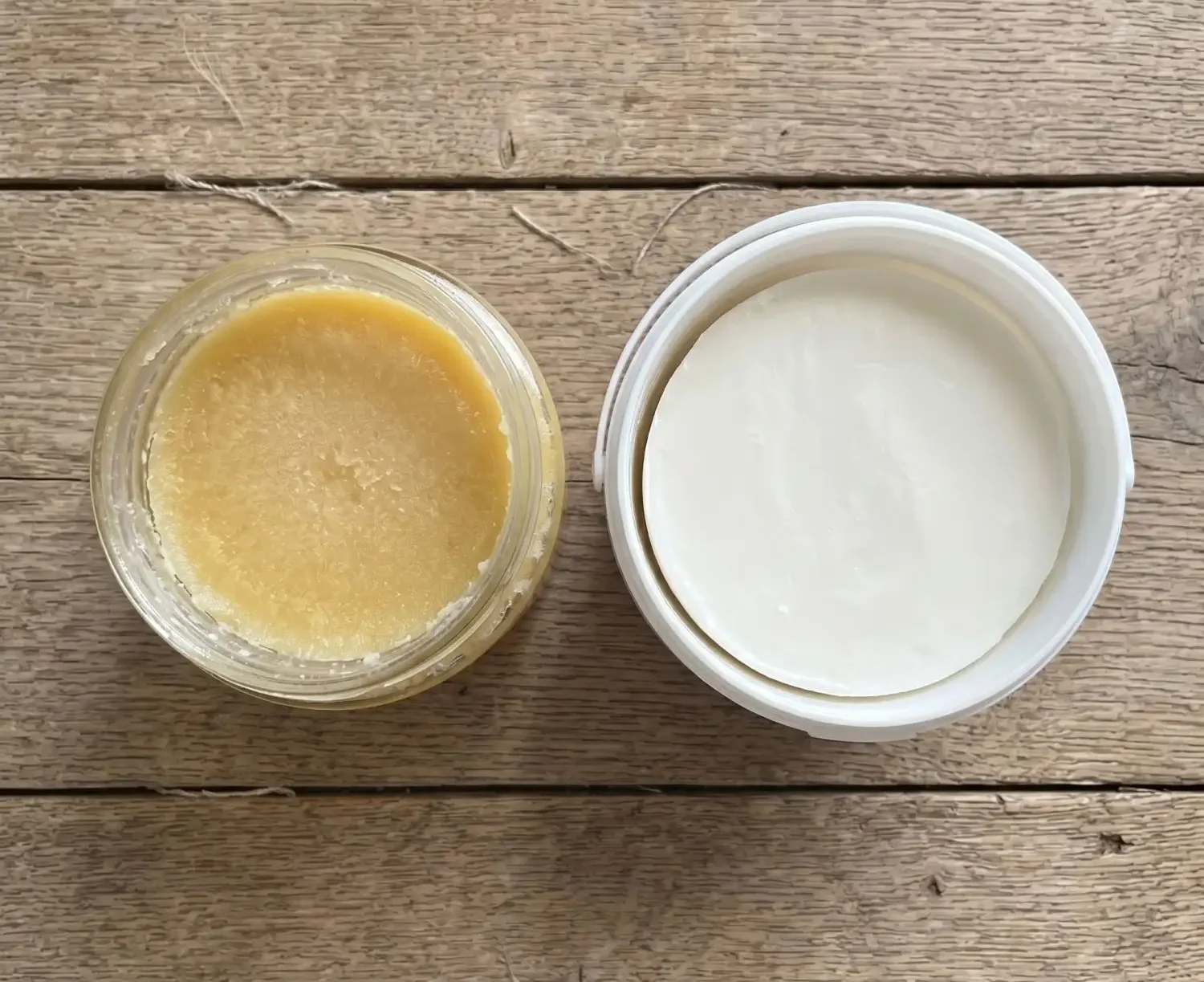
There is a jar on the shelf at your ouma’s house — or there was. White, firm, slightly translucent. The fat she used to fry potatoes, roast meat, season a pan. It did not come in a plastic bottle. It did not have a health claim printed on the front. It was just fat. Animal fat, rendered down and kept cool, the way it had always been done.
Somewhere along the way, that jar got replaced. Vegetable oil became the default. Refined, bottled, mass-produced, cheap. And for decades, most of us were told this was the better choice. We are not here to condemn that choice — millions of households cook with vegetable fat every day, and it serves a purpose. But there is a growing body of knowledge that points to something most traditional cooks already understood: not all cooking fats are equal. And grass-fed beef tallow has some genuinely meaningful advantages worth knowing about.
First: What Is Beef Tallow, Exactly?
Tallow is rendered beef fat — specifically the fat from around the kidneys and loins of cattle, known as suet. When slowly heated and clarified, it becomes a smooth, white, stable cooking fat with a long shelf life and a high smoke point. The grass-fed distinction matters: cattle that graze on pasture produce fat with a different nutritional profile than grain-fed animals, with a better ratio of omega-3 to omega-6 fatty acids.
It is one of the oldest cooking fats in human history. It is also making a quiet comeback — not as a trend, but because people are asking more careful questions about what goes into their food and how it is processed.
What Makes Grass-Fed Tallow Stand Apart
1. It Is a Single-Ingredient Fat
Grass-fed beef tallow is one thing: rendered beef fat. That is the entire ingredient list. Most refined vegetable fats and blended cooking margarines involve multiple processing steps — bleaching, deodorising, hydrogenation, and the addition of emulsifiers or preservatives to achieve the right texture and shelf stability. Tallow achieves its properties naturally, with nothing added.
2. It Has a High Smoke Point — Without Breaking Down
Tallow has a smoke point of around 200–250°C, making it well-suited for high-heat cooking: frying, roasting, searing, and baking. What matters almost as much as the smoke point, however, is what happens at that temperature. Tallow is primarily composed of saturated and monounsaturated fats, which are chemically stable at high heat.
Many vegetable oils — including sunflower, canola, and soybean — are high in polyunsaturated fatty acids (PUFAs). PUFAs are inherently less stable at high temperatures and can oxidise when heated, producing compounds that are best avoided in cooking. The saturated fat content in tallow, often criticised in the past, is precisely what makes it a cleaner high-heat fat.
3. It Is Rich in Fat-Soluble Vitamins
Grass-fed beef tallow is a natural source of vitamins A, D, E, and K — all fat-soluble vitamins that your body cannot absorb without dietary fat. These are not added artificially; they are present because the animal grazed on vitamin-rich pasture. Vitamin D in particular is difficult to obtain from food sources, and animal fats from pasture-raised animals are one of the few food sources that contain it meaningfully.
Vegetable oils are not a source of vitamins A, D, or K2. They may contain vitamin E in varying quantities, but the broader fat-soluble nutrient profile of tallow is simply not replicated in plant-based alternatives.
4. It Contains Conjugated Linoleic Acid (CLA)
Grass-fed animal fat contains conjugated linoleic acid (CLA), a naturally occurring fatty acid found in the fat and milk of ruminant animals that graze on grass. CLA has been studied for various potential health properties. It is not present in vegetable fats or grain-fed animal products in meaningful quantities — the pasture-grazing is what produces it.
5. The Omega-3 to Omega-6 Balance
The ratio of omega-3 to omega-6 fatty acids in your diet matters. Most modern diets are significantly skewed toward omega-6, which in excess can contribute to inflammatory processes in the body. Vegetable oils like sunflower and corn oil are very high in omega-6 fatty acids.
Grass-fed tallow has a more balanced omega-3 to omega-6 ratio than grain-fed tallow — and a considerably more balanced ratio than high-PUFA vegetable oils. This is not to say tallow is an omega-3 supplement; it is simply that the fatty acid profile of a grass-fed animal fat is closer to what traditional diets looked like before industrialised food production.
6. Shelf Stability — Without Refrigeration
Tallow does not require refrigeration and can be stored at room temperature for months — up to nine months or more in a sealed container. The Affieplaas Beef Tallow Cooking Fat comes in a 900g jar with a nine-month shelf life at room temperature. This was always one of the practical advantages of animal fats in traditional households: they kept well without modern refrigeration. The saturated fat content that made them controversial in the 20th century is the same characteristic that makes them shelf-stable.
7. Flavour
There is an honest reason chefs have returned to beef tallow for roasting and frying: the flavour is genuinely different. Tallow imparts a rich, savoury depth to roasted vegetables, potatoes, and meat that refined vegetable oils do not. Customers who have switched consistently describe it as tasting more like the food they grew up eating. One Toeka customer put it plainly: “Great product, great flavour.” Another: “Just perfect — and a little goes a far way.”
A Note on the Vegetable Fat Conversation
Vegetable fats and oils have a place in cooking, and this is not an argument that everyone should throw out what is in their pantry today. The science around dietary fat has evolved considerably over the past 30 years, and what was presented as settled nutrition advice in the 1980s and 1990s has been substantially revised. The core point is this: animal fats that were eaten for thousands of years before the rise of industrialised seed oils deserve a fair hearing based on what they actually contain — not what they were accused of in an era when the full picture was not yet understood.
Grass-fed beef tallow is not a novelty. It is a return to something that worked.
What We Stock at Toeka
We carry two brands of grass-fed beef tallow in our cooking fat range:
- Affieplaas Beef Tallow Cooking Fat – 900g: Super-refined, shelf-stable, consistently 5-star rated. Excellent value for everyday use. Free from artificial additives.
- BEAR Kitchen – Grass-Fed Beef Tallow – 300g and 900g: From BEAR, with a specific grass-fed provenance. The 300g is a good entry point for first-time buyers. 4.83 stars from verified buyers.