
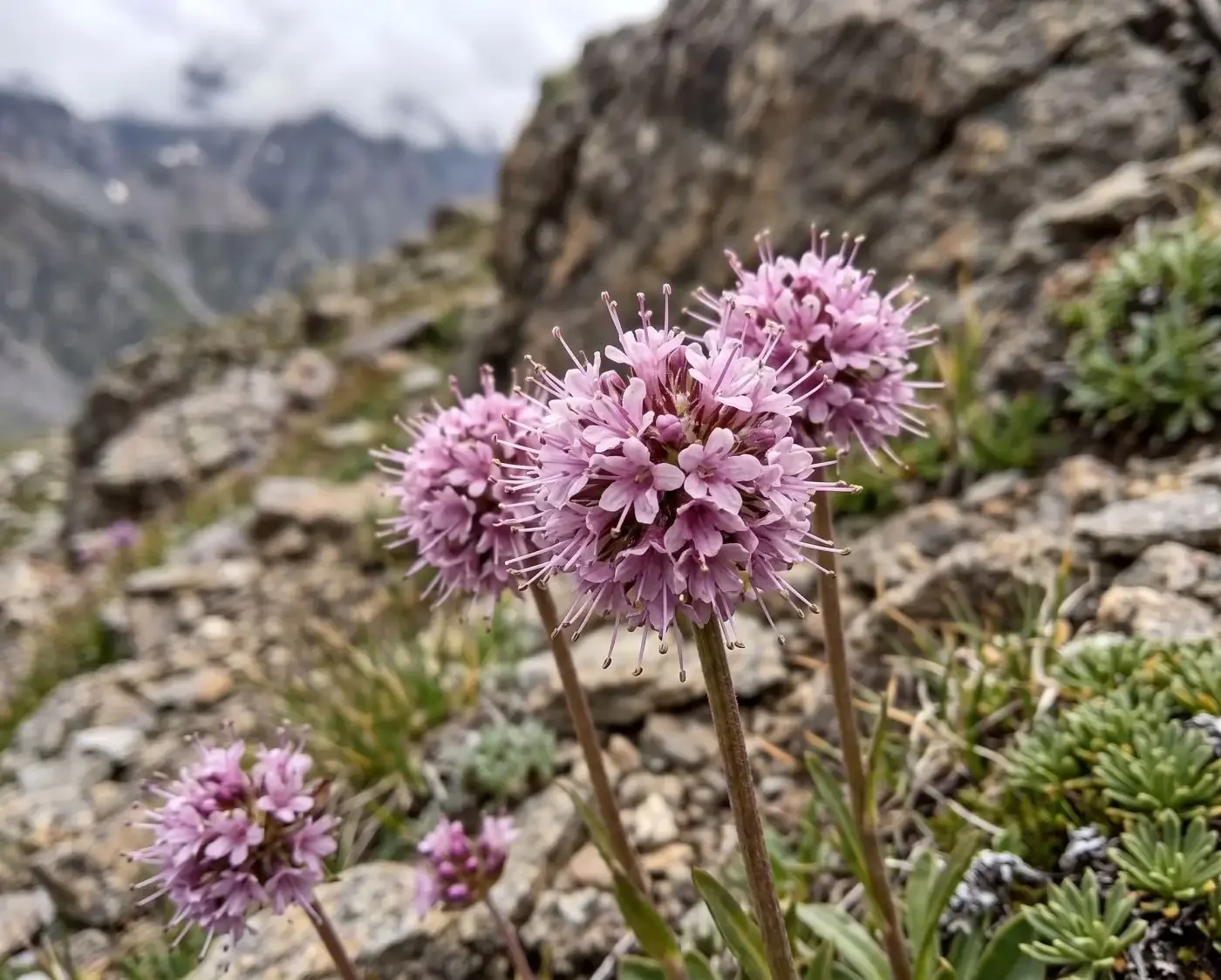
Few essential oils carry as much history as spikenard. It grows in the alpine meadows of the Himalayas — high-altitude terrain in Nepal, India, Bhutan, and parts of China, typically between 3,000 and 5,000 metres above sea level. This remoteness is not incidental. It is part of why the oil was always rare, always expensive, and always traded across continents at considerable cost.
Spikenard has been used across civilisations — from Ayurvedic physicians in India to perfumers in Rome and Egypt. It appears in religious ceremonies recorded in biblical scripture, where it was poured over feet as an act of extraordinary devotion. That it was described as precious was not metaphor — it genuinely was. Gram for gram, spikenard rivalled the value of gold.
What made it so valuable then? And what makes it worth understanding now? The answer lies partly in its rarity, partly in its scent, and partly in what traditional medicine and emerging research both point toward.
A Treasured Aromatic
Spikenard is mentioned repeatedly in ancient texts, including both the Old and New Testaments, where it is described as an ointment of great worth used for anointing. In Ayurveda — the traditional Indian system of medicine — it has been in use for thousands of years to calm the nervous system, support restful sleep, and balance the emotions.
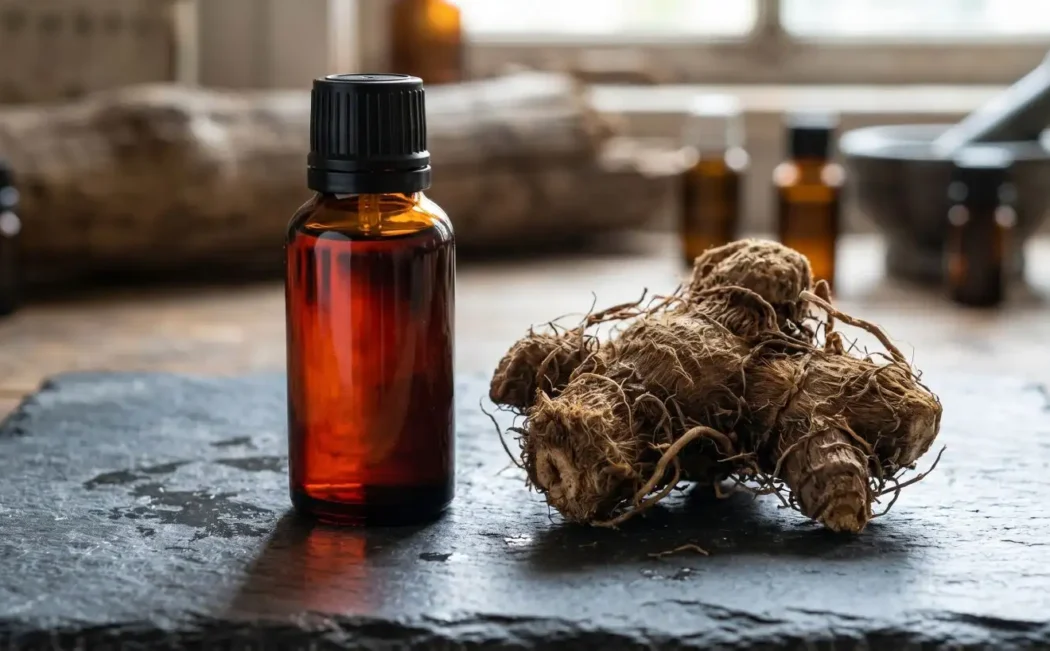
Botanically known as Nardostachys jatamansi, the plant belongs to the valerian family. The essential oil is produced through steam distillation of the plant’s rhizomes — the dense, hairy underground roots that give the plant its Sanskrit name, Jatamansi, meaning “locks of hair.” The resulting oil is thick, amber-coloured, and intensely aromatic.
Its distinctive aroma — earthy, woody, and musky, with warm spiced undertones — made it one of the most sought-after fixatives in ancient perfumery. A fixative is an ingredient that anchors a fragrance and slows its evaporation, giving a scent its staying power. Spikenard is exceptionally good at this, which is partly why it was so prized in blending.
What Spikenard Actually Smells Like
Spikenard is not a delicate floral. It is deep, heavy, and grounding — closer in character to vetiver or patchouli than to lavender or rose. The scent is earthy and woody, with a musky warmth and, at high concentration, an almost animalic quality.
In perfumery, “animalic” refers to scents that carry a raw, skin-like depth — warm, sensual, and often polarising. It is the quality that makes a fragrance feel like something living rather than something synthetic. Spikenard has this in its base register, which is what made it so useful to ancient perfumers and incense makers.
For aromatherapy and therapeutic use, this character is an asset. Spikenard is what practitioners call a grounding oil — one that helps quiet mental noise and anchor the senses. It blends well with frankincense, cedarwood, myrrh, and sandalwood. It also works in smaller amounts with citrus oils, which lift and brighten the heaviness of its earthier notes.
A small amount goes a long way. In blended products, its presence is felt rather than immediately identified — it is the depth and staying power behind a fragrance, not the top note you notice first.
Traditional Uses and Benefits
In traditional medicine systems including Ayurveda, Chinese, and Tibetan medicine, spikenard has been used to promote relaxation, reduce stress, and support emotional wellbeing. It has also been valued for its potential anti-inflammatory and antiseptic properties. Traditional uses include:
- Promoting relaxation and sleep: The calming quality of spikenard’s aroma is well established in traditional use, and consistent with its close botanical relationship to valerian — a plant long used as a natural sleep aid.
- Reducing stress and anxiety: Spikenard is used in aromatherapy as a sedative and calming agent. Animal studies have shown sedative effects from compounds isolated from the plant, including reduced locomotor activity and increased rest time.
- Supporting skin health: Its potential anti-inflammatory and antibacterial properties have traditionally made it useful for soothing skin irritations, wounds, and fungal conditions including dermatitis.
- Relieving pain and inflammation: Spikenard has been applied to areas of muscle and joint discomfort, and is often included in blended healing oils for this purpose.
A 2018 study published in PMC evaluated the biological activity of ten essential oils on human skin cells. Spikenard, alongside bergamot and cilantro, was found to primarily inhibit inflammatory and immune-response proteins in a pre-inflamed human dermal fibroblast system, suggesting anti-inflammatory and wound-healing properties. The researchers noted this was consistent with existing traditional uses and recommended further investigation.
Important context: many of the research findings on spikenard come from animal studies or in vitro (laboratory) work. Human clinical trials are limited, partly because of the plant’s endangered status. The traditional record is extensive; the modern clinical evidence is still accumulating.
Spikenard and Hair Health
One of the lesser-known traditional uses of spikenard is for scalp and hair health. In Ayurvedic practice, the oil has long been applied to the scalp to support hair growth, reduce scalp inflammation, and address dandruff. This has made it a long-standing ingredient in traditional Himalayan hair preparations.
A 2011 study published in Pharmacognosy Magazine — the first of its kind to isolate specific compounds from the plant for this purpose — tested spikenard’s crude extract, fractions, and two isolated terpenoid compounds (nardal and jatamansic acid) for hair growth activity. The crude extract proved most effective, reducing the time required for hair regrowth by approximately 30% in the tested subjects. The authors noted this was the first report of isolated active compounds from Nardostachys jatamansi for hair growth studies.
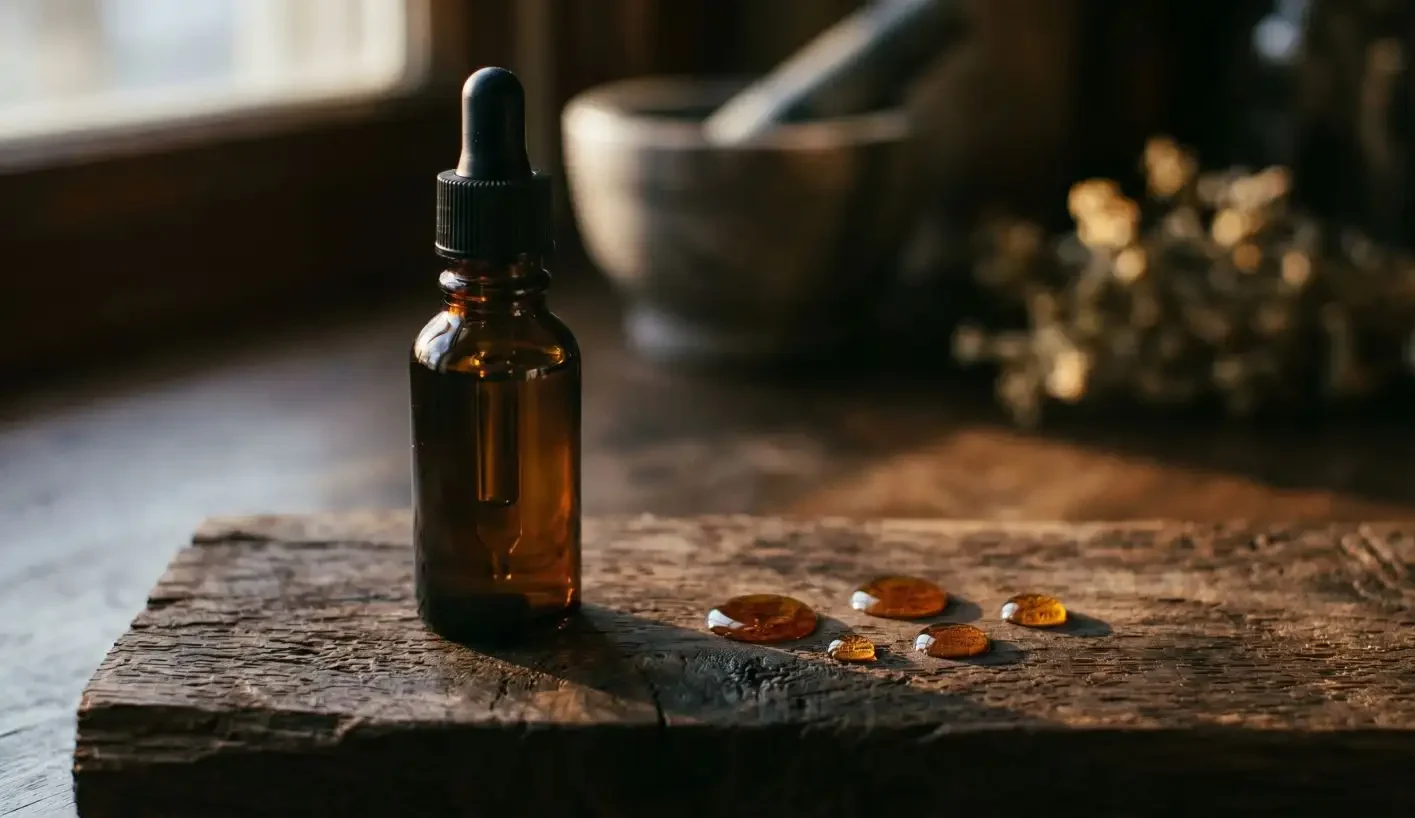
For those with dry, irritated, or inflamed scalps, spikenard’s reported anti-inflammatory and antibacterial properties make it a logical ingredient in a natural hair care approach. It is typically used diluted in a carrier oil such as olive, jojoba, or hemp rather than applied neat.
How to Use Spikenard Oil
- Aromatherapy: Add a few drops to a diffuser, or place a diluted drop on a warm cloth for inhalation. Its grounding quality makes it well-suited for evening use, winding down, or meditation.
- Topical application: Always dilute in a carrier oil before applying to skin — typically 1–3 drops per teaspoon of carrier oil such as jojoba, olive, or hemp. Apply to pulse points, areas of muscle discomfort, or the scalp.
- Bath: Add a few drops of spikenard to a tablespoon of carrier oil first, then add to warm running bathwater. The warm water will disperse the scent and allow for full inhalation benefit.
- Massage: Blend with a carrier oil for a grounding massage, particularly effective for tired muscles or a calming evening routine.
- Blending: Spikenard works well in small amounts alongside frankincense, cedarwood, myrrh, sandalwood, and citrus oils. It acts as a fixative and depth note — use sparingly, as it can easily dominate a blend.

A Note on Sourcing and Conservation
Spikenard is critically endangered. The plant grows slowly at high altitude in the Himalayas, taking three to six years to reach harvestable maturity, and has been significantly over-harvested to meet global demand for essential oil. Its wild populations are declining at alarming rates across Nepal, India, and Bhutan.
This is not a distant conservation concern. It directly affects the quality and integrity of any product containing spikenard — and it raises a straightforward question worth asking of any supplier: where does this come from, and how was it harvested?
When buying spikenard, or products containing it, look for suppliers who can confirm legal sourcing and sustainability practices. AromaWeb notes that sourcing ethically is a genuine concern for this particular oil and recommends purchasing only from reputable suppliers who prioritise sustainability. This is consistent with Toeka’s approach to the products we stock: where something comes from is part of what it is.
Spikenard in Kings-Oil Wonder Oil
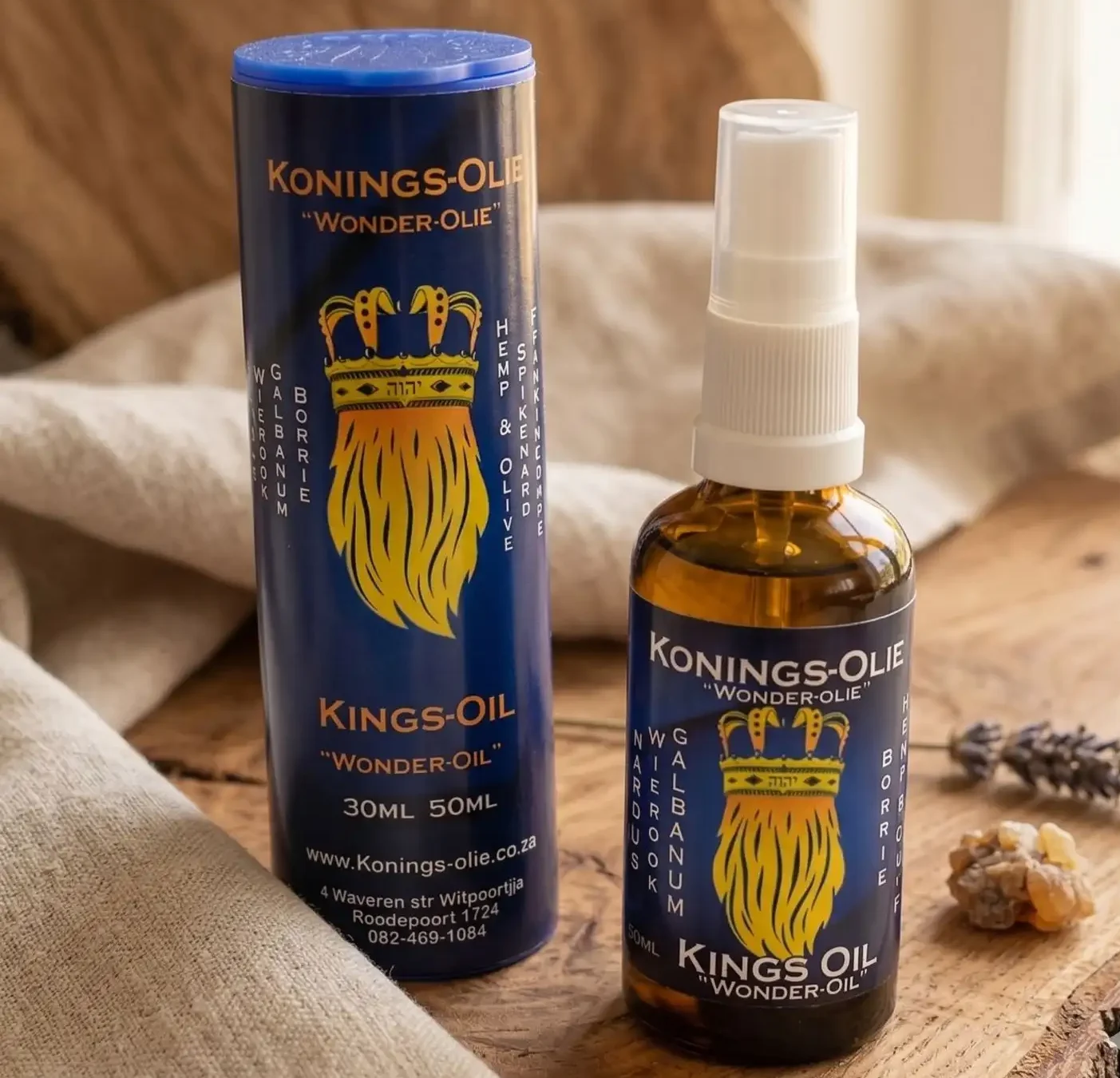
Spikenard is one of the four key botanical oils in Kings-Oil Wonder Oil, available at Toeka. The formulation combines spikenard with frankincense, turmeric, and galbanum — all four of which have deep roots in traditional healing and scripture — in a cold-pressed hemp and olive oil base.
Within the Wonder Oil blend, spikenard contributes its traditional antispasmodic and nervine properties — helping to calm and support the nervous system in combination with the blend’s anti-inflammatory core. Customer reviews point to relief from joint pain, frozen shoulder, burning feet, and sinus discomfort.
It is one of the few products on the South African market that brings these four specific oils together in a single formulation. Understanding what spikenard is and where it comes from makes the choice of ingredients in Wonder Oil more legible — not marketing language, but a real ingredient decision grounded in centuries of documented use.
A Note Before You Use It
Spikenard essential oil can cause skin irritation in some individuals. Always perform a patch test on a small area of skin — the inner forearm is a good choice — before widespread use. Apply the oil diluted in a carrier oil, not neat. Wait 24–48 hours and check for any redness, itching, or reaction. AromaWeb’s essential oil patch test guide offers useful guidance on what to look for and how to interpret results.
If you are pregnant or breastfeeding, consult a healthcare professional before using spikenard essential oil. As with many essential oils, there is limited clinical research on its safety during pregnancy, and caution is the appropriate approach.
If you have any underlying health conditions or are taking medication, consult a healthcare professional before use.
Products containing spikenard — including Kings-Oil Wonder Oil — are complementary health products and have not been evaluated by SAHPRA for quality, safety, or intended use. They are not intended to diagnose, treat, or cure any medical condition.
One of the Oldest Ingredients Still in Use Today
Spikenard has survived thousands of years not because of a marketing campaign, but because people kept finding it useful. From the apothecaries of ancient India to the perfumers of Rome to the traditional healers who still work with it today, the oil has held its place in the record of natural remedies. Its remarkable history stretches across civilisations, trade routes, and systems of medicine that had nothing to do with one another — and they all arrived at the same ingredient.
Whether you are drawn to it for its grounding scent, its traditional use in supporting restful sleep and calming inflammation, or simply its extraordinary story — it is an ingredient worth knowing. In a world of synthetic fragrance and laboratory-engineered actives, there is something honest about an oil that has been doing the same thing for three thousand years.

